Can I Drink Fresh-Squeezed Juice while Pregnancy?
At a Glance
⚠️ Concern: Unpasteurized (fresh-squeezed) juices can harbor E. coli, Salmonella, or Listeria.
🔥 Risk Level: Moderate to High — Highest when juice is unpasteurized or handled improperly.
✅ Safe Practices: Choose pasteurized or HPP (cold-pressed + high-pressure processed) juices; follow strict hygiene if juicing at home.
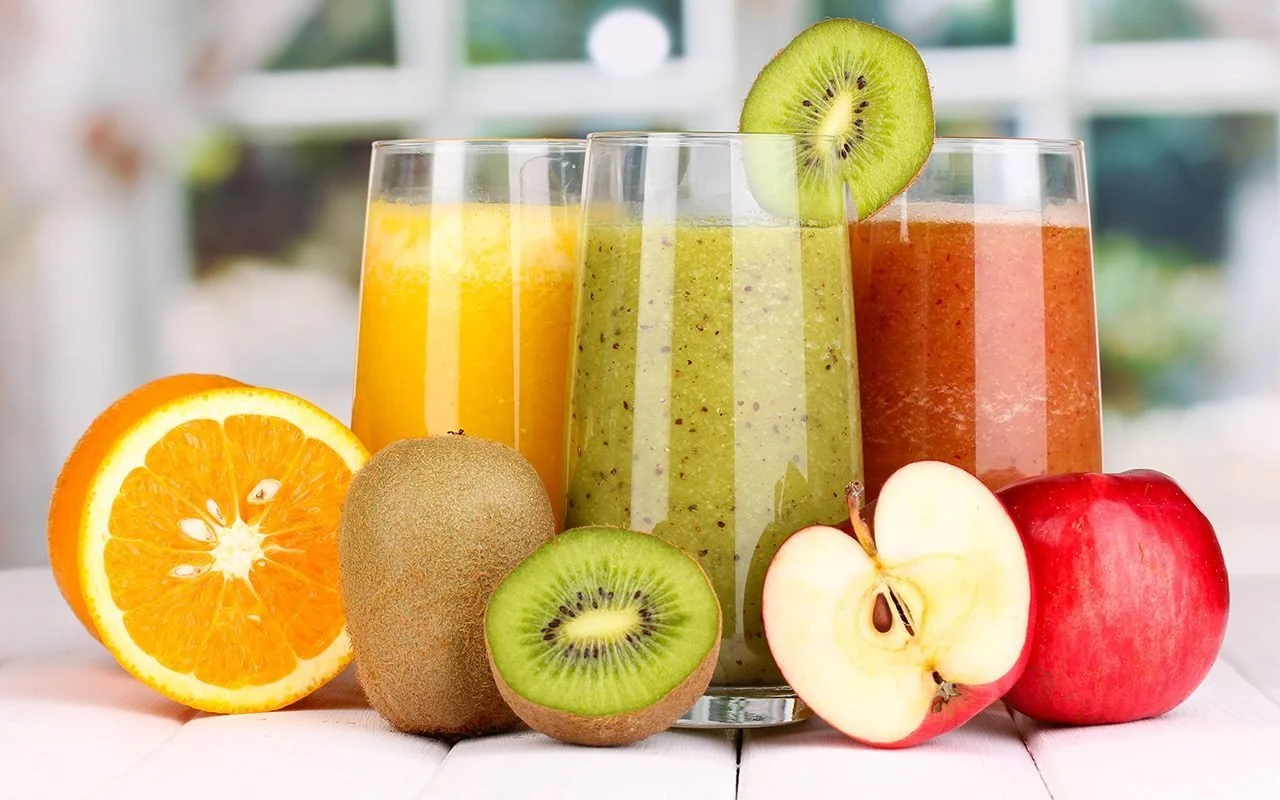
Fresh-squeezed juice feels wholesome—bright, tangy, and packed with vitamins. During pregnancy, though, it’s important to look beyond “fresh” and check how the juice is processed. The biggest safety gap is pasteurization: juices that skip it can carry germs that cause foodborne illness.
Below is what to know so you can sip safely.
Why Unpasteurized Juice Can Be Risky
Fruit and vegetable surfaces can pick up bacteria from soil, water, or handling. When produce is pressed, microbes on the peel can transfer into the juice. Because unpasteurized juice doesn’t get a kill-step (like heat or high-pressure processing), germs can survive and multiply—especially if the juice sits at room temperature.
Common culprits include:
Bacteria: E. coli, Salmonella, and Listeria monocytogenes
Viruses: Norovirus (from poor handling/hygiene)
Pregnant women are about 10 times more likely to get listeriosis than other healthy adults. Because immune systems are altered during pregnancy, it is harder for pregnant women to fight off infections. (FDA)
Pasteurized vs. “Fresh” vs. HPP (Cold-Pressed)
Pasteurized juice (shelf-stable or refrigerated): Heated to kill pathogens. Safest choice in pregnancy.
Fresh-squeezed on site (juice bars, cafés, farmers’ markets): Often unpasteurized unless the store posts that it’s pasteurized or treated (look for required warning labels in many states).
Cold-pressed + HPP: The juice is pressed raw but then treated with high-pressure processing to inactivate pathogens without heat. This is generally considered safe when labeled HPP or pasteurized.
Bottom line: If it isn’t clearly labeled pasteurized or HPP-treated, assume it’s unpasteurized and skip it during pregnancy.
How to Choose Juice Safely (Shopping & Dining Out)
Look for the word “Pasteurized.” On bottle label, fridges, menu boards, and café labels.
Ask at juice bars: “Is this pasteurized or HPP?” If they can’t confirm, choose something else.
Beware farmers’ markets: Many fresh juices here are unpasteurized; check signage for required warnings.
Keep it cold: Buy refrigerated juice from a cold case; avoid bottles sitting out.
Drink soon after opening: Pathogens can multiply as juice warms or sits in the fridge.
Safe Juicing at Home (If You Really Want Fresh)
If you prefer to press at home, you can reduce—but not fully eliminate—risk by treating it like a mini food-processing line:
Wash hands for 20 seconds; clean cutting boards/counters/knives.
Scrub produce under running water (even citrus and melons—peels can transfer microbes).
Trim damaged/bruised spots where bacteria can hide.
Consider peeling high-risk items (melons, mangoes) before juicing.
Sanitize juicer parts before use; clean immediately after.
Chill fast: Pour into a clean container, refrigerate at ≤40°F (4°C), and drink right away (ideally same day).
Don’t save raw juice for days. The longer it sits, the higher the risk; if you want to store, heat it to a brief simmer and chill—effectively pasteurizing it at home.
Note: Home juicing does not equal pasteurization unless you heat the juice.
Special Cases & Common Questions
What about orange juice at breakfast spots?
If it’s squeezed on site and not HPP/pasteurized, skip it. Choose carton OJ labeled pasteurized.
Is lemonade safe?
Fresh-squeezed lemonade can be unpasteurized too. Choose bottled/pasteurized varieties.
Green juices and wheatgrass shots?
Often unpasteurized and higher handling risk—avoid unless verified pasteurized/HPP.
Smoothies from cafés?
Ask about dairy (pasteurized?) and whether any raw juice bases are pasteurized/HPP.
Quick Safety Checklist
✅ Choose pasteurized or HPP juices
✅ Keep cold; drink promptly
❌ Avoid unpasteurized or unlabeled fresh-squeezed juices
❌ Skip juice left at room temp or from uncertain sources
Conclusion: Enjoy Juice—Just Make It Pasteurized
You don’t need to give up juice in pregnancy—you just need the pasteurized (or HPP) version and good storage habits. If a bottle, café, or market can’t confirm treatment, pick a pasteurized option, a smoothie made with pasteurized ingredients, or whole fruit for similar nutrients with extra fiber.
Disclaimer: The content on this website is for informational purposes only and is not intended as a substitute for professional medical advice, diagnosis, or treatment. Always seek the advice of your physician or another qualified health provider with any questions regarding your health, pregnancy, or medical conditions.