Can I Drink Pennyroyal Tea During Pregnancy?
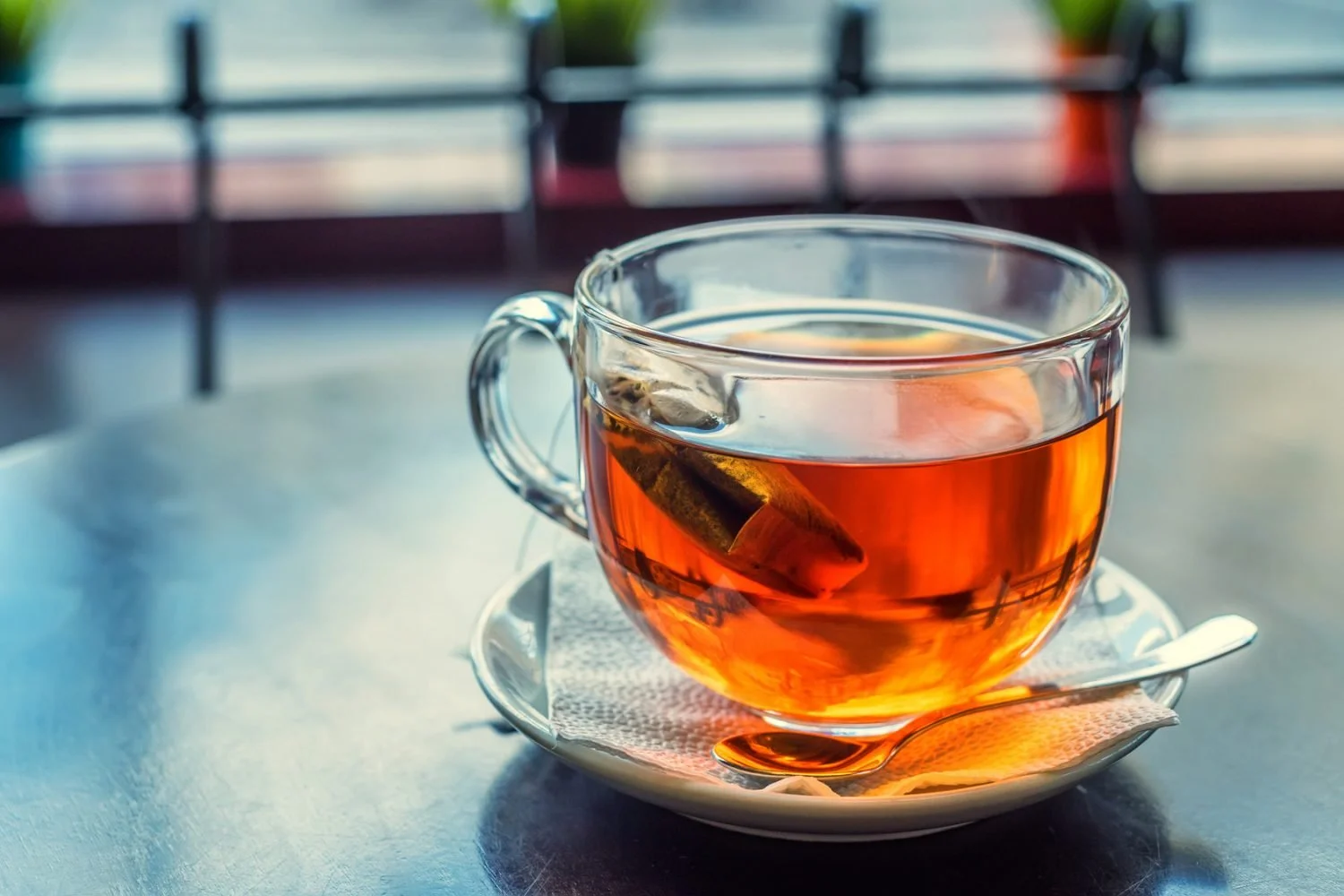
At a Glance
⚠️ Concern: Pennyroyal (Mentha pulegium / Hedeoma pulegioides) contains pulegone, a compound linked to liver toxicity, uterine stimulation, and pregnancy loss.
🔥 Risk Level: High — Not considered safe in pregnancy in any form (tea, tincture, capsules, essential oil, or topical products).
✅ Safe Practices: Avoid pennyroyal completely. Choose pregnancy-friendly herbal teas from trusted brands; verify ingredients on “women’s health,” “detox,” or “slimming” blends.
Pennyroyal—sometimes marketed as “female mint”—has a long folk-medicine history for menstrual issues and as a digestive aid. Those same properties, however, are exactly why it’s not safe in pregnancy. Whether sipped as tea or used as an essential oil, pennyroyal can be dangerous for you and your baby. Below is what to know, the forms to avoid, and gentler options to enjoy instead.
What Is Pennyroyal—and Why It’s Risky in Pregnancy
Two plants share the common name pennyroyal:
European pennyroyal (Mentha pulegium)
American pennyroyal (Hedeoma pulegioides)
Both contain pulegone, a monoterpene that the body metabolizes into compounds (e.g., menthofuran) associated with hepatotoxicity (liver injury). Pennyroyal has also been used historically as an abortifacient because it can stimulate uterine contractions—a major red flag in pregnancy.
Key risks
Uterotonic effects: May trigger uterine contractions → risk of miscarriage or preterm labor.
Liver toxicity: Reports link pennyroyal—especially the essential oil—to severe liver failure, multi-organ injury, seizures, and, in rare cases, death.
Unpredictable potency: “Tea strength” varies with plant species, harvest, and steep time; blends may list pennyroyal under Latin names, making it hard to spot.
Bottom line: There is no pregnancy-safe dose established for pennyroyal. Medical and herbal safety references advise avoiding it entirely while pregnant (and while trying to conceive or breastfeeding).
All the Forms to Avoid
To reduce risk, avoid pennyroyal in every form during pregnancy:
Tea and herbal infusions (loose leaf, sachets, or blends)
Tinctures, capsules, and powders
Essential oils (do not ingest; avoid topical use and diffusion)
Balms or rubs listing pennyroyal oil/extract
Aromatherapy blends with pennyroyal (diffusion can still expose you)
If a product lists pennyroyal, Mentha pulegium, Hedeoma pulegioides, pulegone, or “American/European pennyroyal,” put it back.
“But It’s Just Tea”—Isn’t That Mild?
Herbal “tea” doesn’t always mean mild. With pennyroyal, the active constituents are readily extracted into hot water, and potency is inconsistent across brands. Even if a blend includes only a small amount, there’s no reliable way to know the dose in your cup. Given the uterine and liver risks, tea is not a safe workaround.
Safer Sips to Replace Pennyroyal
When choosing herbal teas in pregnancy, buy from reputable brands, read full ingredient lists, and favor blends labeled for pregnancy use. Good general-use options (for most people, in typical beverage amounts):
Peppermint – may help with queasiness and bloating (enjoy in moderation).
Lemon balm – gentle, calming, pleasant citrus-mint profile.
Chamomile (limited use) – occasional cups are commonly considered fine, though some sources advise moderation.
Non-herbal alternatives: hot water with lemon, pasteurized fruit teas, or decaf black/green tea (watch total caffeine).
Smart Label Reading & Ordering Tips
Scan for Latin names (Mentha pulegium, Hedeoma pulegioides).
Be cautious with “detox,” “PMS,” “women’s balance,” or “slimming” teas; they often hide uterotonic herbs (including pennyroyal).
At cafés/juice bars, ask for the ingredient list; choose blends without uterine-active herbs.
If a product’s ingredient panel is vague (e.g., “proprietary women’s blend”), skip it.
Quick FAQ
Is topical pennyroyal oil safe if I don’t drink it?
No. Topical and inhalational exposure are also discouraged in pregnancy due to systemic absorption and documented toxicity of the oil.
Can I use “a tiny amount” early on?
There’s no proven safe dose in pregnancy. Avoid throughout pregnancy (and while trying to conceive).
What about combinations (e.g., with peppermint)?
If a blend lists pennyroyal anywhere, choose another product—even if it’s not the main herb. Check the label/ingredient list.
The Takeaway: Give Pennyroyal a Pass
Because pennyroyal is linked to uterine stimulation and liver toxicity, it’s not safe at any dose in pregnancy, tea included. Skip it in every form and choose gentler, pregnancy-friendly alternatives from trusted brands. When in doubt, ask your prenatal care provider to help vet your favorite blends.
Disclaimer: The content on this website is for informational purposes only and is not intended as a substitute for professional medical advice, diagnosis, or treatment. Always seek the advice of your physician or another qualified health provider with any questions regarding your health, pregnancy, or medical conditions.